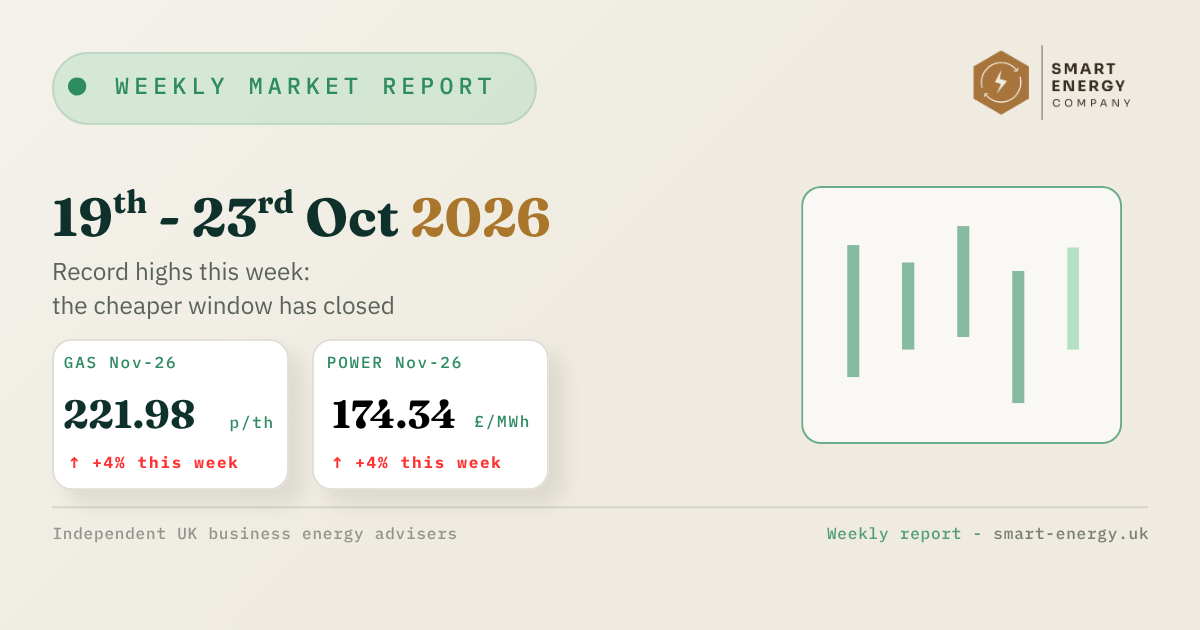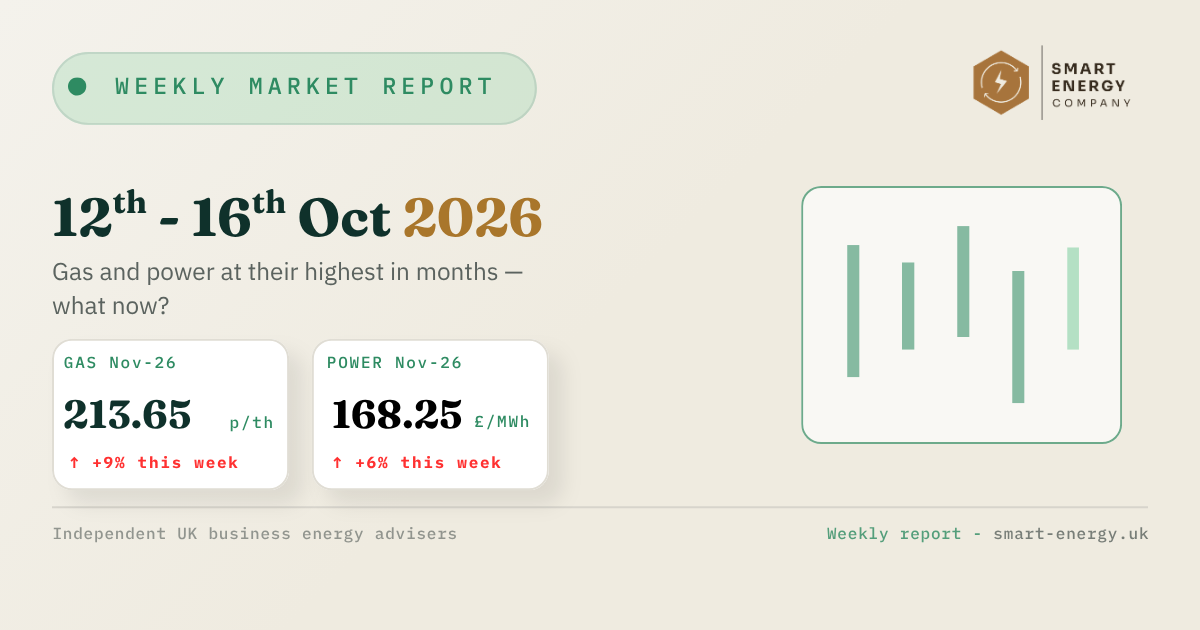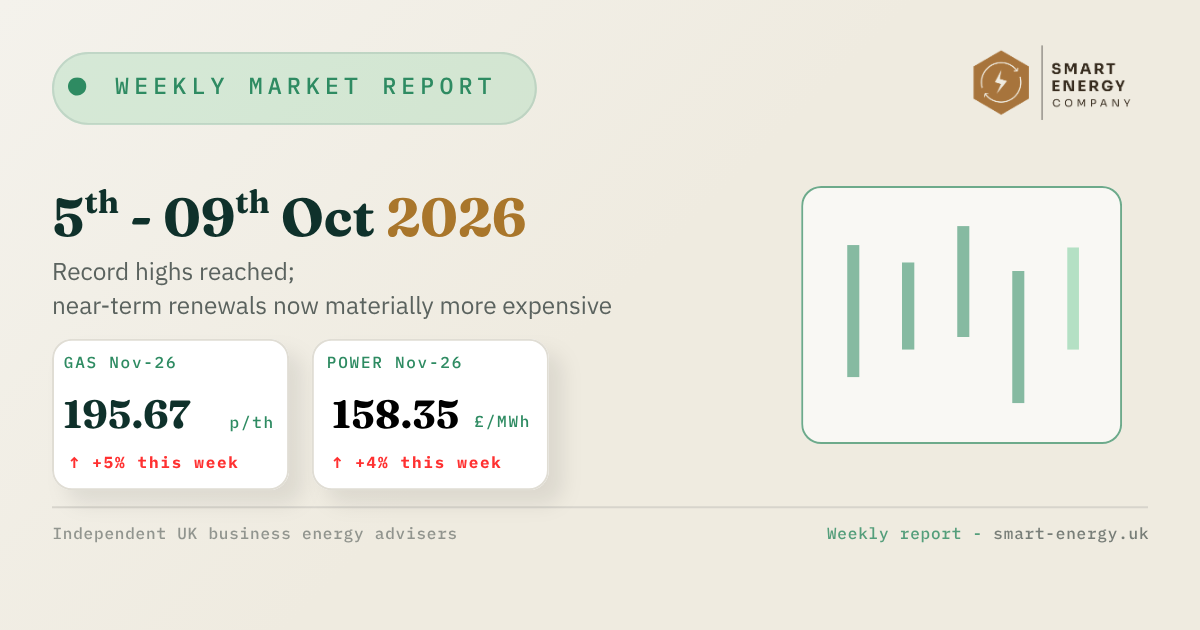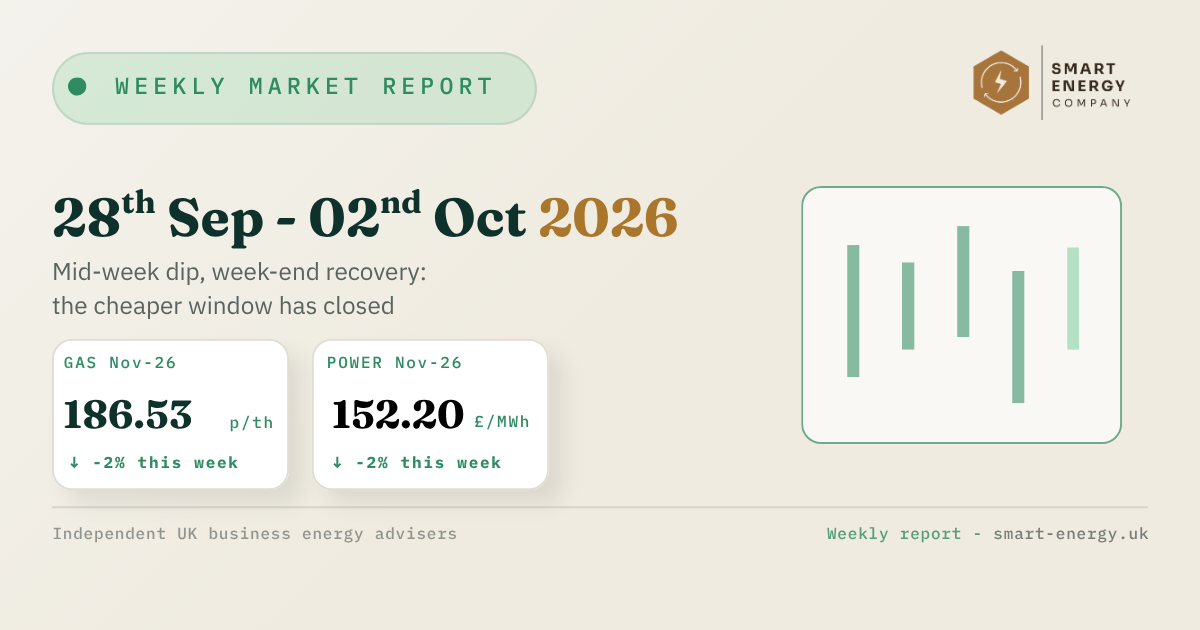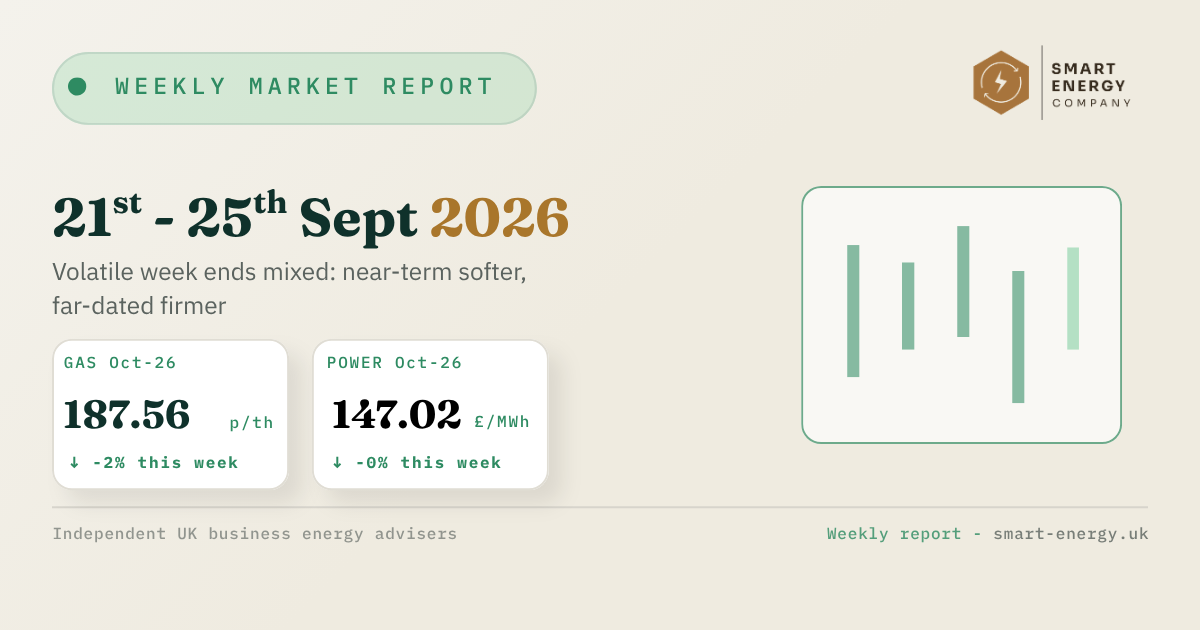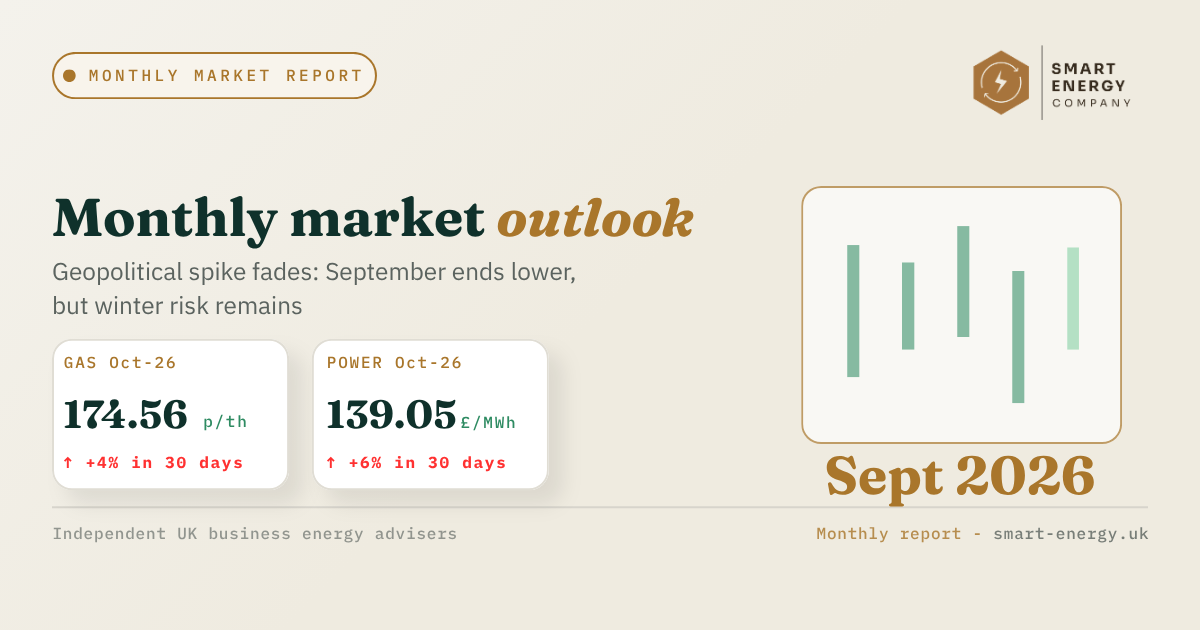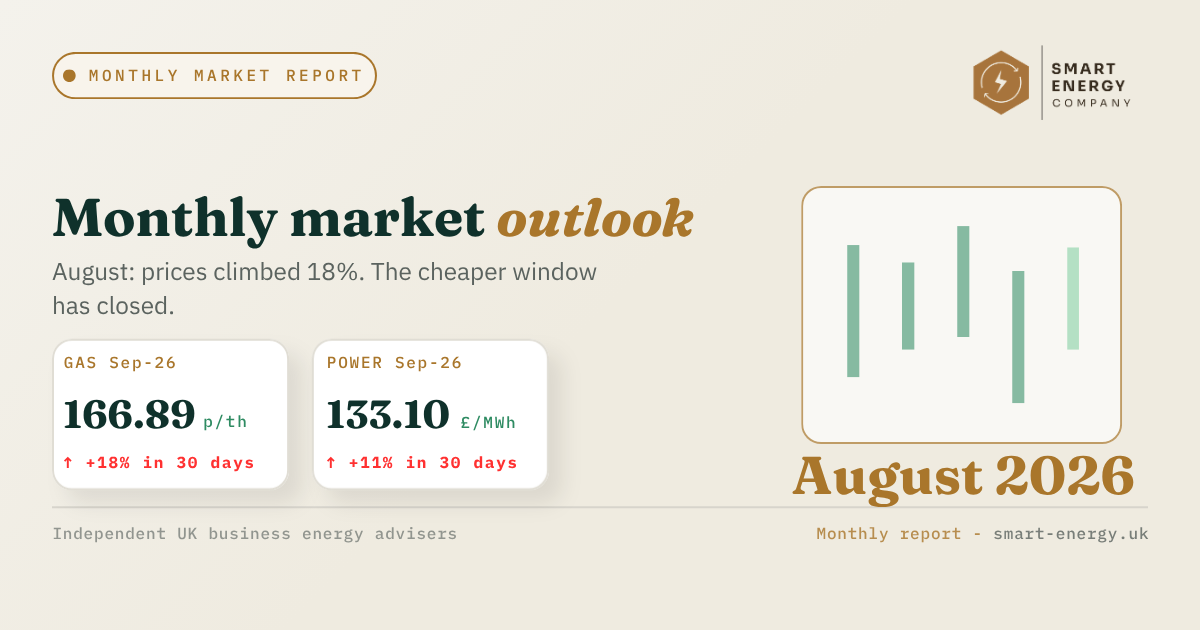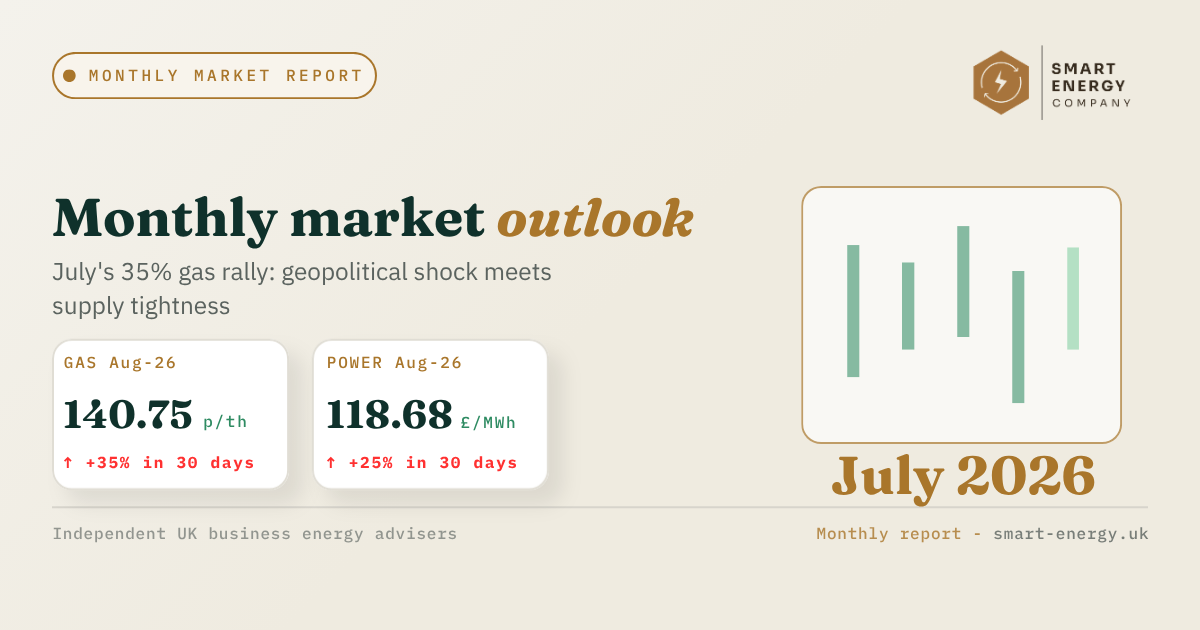
Forward Market -- Loading... Cal26 Gas: -- | Cal26 Power: -- | 5-Day: -- Full report →
Supplier Intelligence · Updated as News Breaks

Supplier Updates

Tariff Changes, Policy News & What It Means for You

Stay informed about changes across the UK business energy market. From new tariffs and threshold changes to supplier exits and regulatory action — we track it so you don't have to, with plain-English takeaways on what each change means for your contract.

28+ Suppliers Tracked 11+ Years Expertise Independent Advice
What We Cover
Tariff & Pricing Changes Rate changes and new contract options
Policy & Threshold Updates Usage thresholds and eligibility changes
Market Exits & Failures Supplier failures and what to do next
Regulatory & Compliance Ofgem investigations and outcomes
Recent Example

"Drax no longer accepting businesses under 30,000 kWh annual usage — here's who to consider instead."

View All Updates
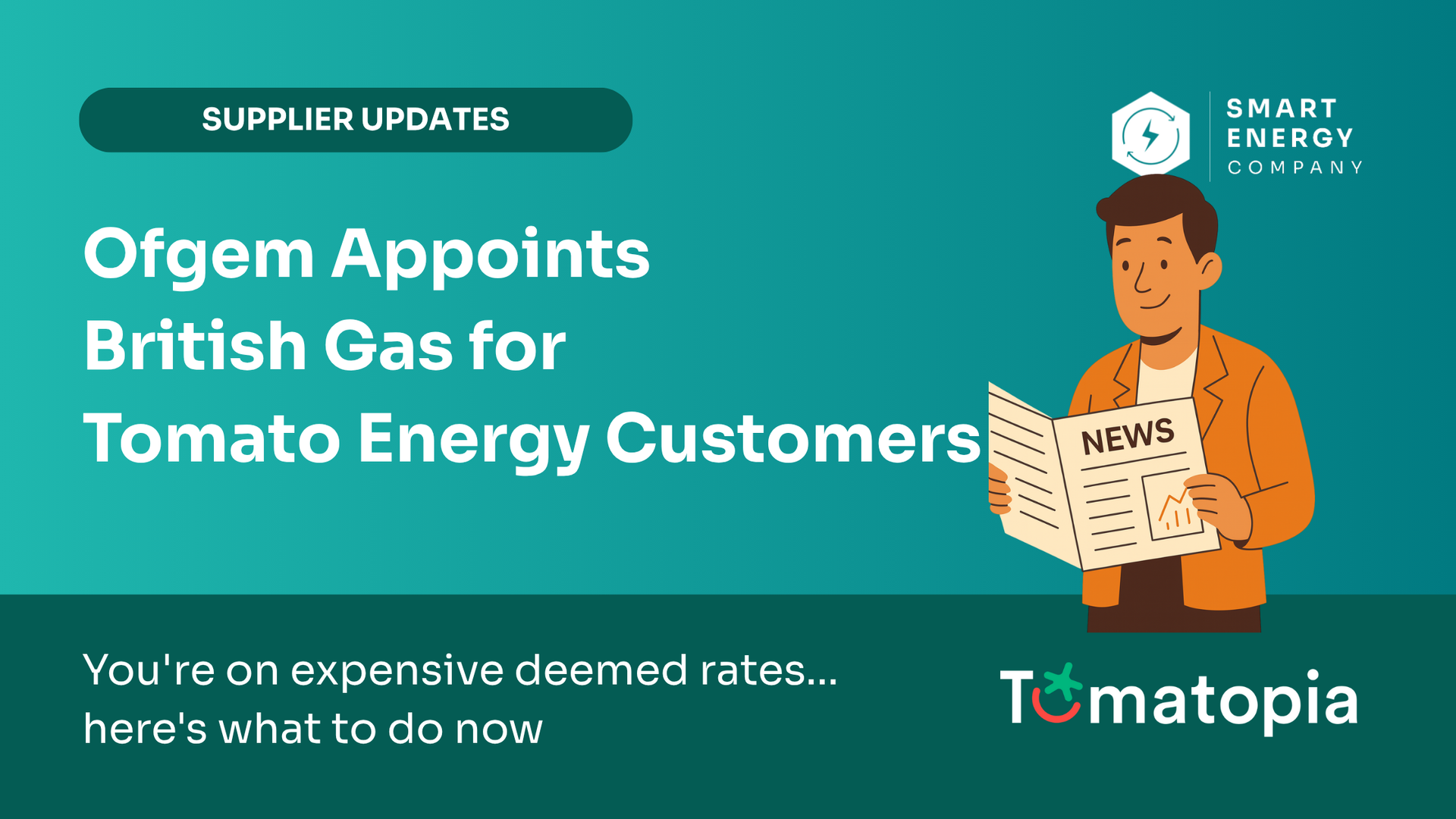
Ofgem appointed British Gas for Tomato Energy customers. Man reading newspaper, teal background.
by Thomas McGlynn 14 November 2025
Tomato Energy customers transferred to British Gas on expensive deemed rates. Learn why you're overpaying and how to switch to better fixed contracts today.
An illustration about Tomato Energy ceasing trading in November 2025. A man reads a newspaper, and a company logo is visible.
by Thomas McGlynn 6 November 2025
Tomato Energy has ceased trading. Discover why it failed, what it means for customers, and critical lessons about choosing stable energy suppliers.
News headline: Tomato Energy  administration after Ofgem confirms £1.5m penalty. Man reads newspaper. Teal background.
by Thomas McGlynn 15 October 2025
Tomato Energy faces administration after Ofgem’s £1.5m penalty for liquidity failings. Here’s what it means for affected business customers.
Show More

Frequently Asked Questions

Everything you need to know about supplier updates and how to stay protected from market changes

Suppliers adjust rates and terms in response to wholesale market movements, regulatory changes, and their own financial positions. When wholesale gas and electricity prices rise, suppliers may increase their standard variable rates. Regulatory levies like the Nuclear RAB Levy or TNUoS changes get passed to customers. Some suppliers make operational changes, rebrand, or exit specific markets entirely. Staying informed about these changes helps you anticipate what's coming and make proactive decisions rather than reactive ones.

If your supplier ceases trading, Ofgem (the energy regulator) ensures you're moved to a new supplier—you don't lose your energy supply. However, you may be moved onto standard variable rates with the new supplier, which could be more expensive than your current fixed contract. In some cases, you may be able to end your contract without penalty and find a better deal elsewhere. This is why staying informed about supplier stability matters. Some suppliers show warning signs before failure—financial trouble, regulatory penalties, or operational issues.

Warning signs include: Ofgem penalties or regulatory action, sudden price spikes above market rates, complaints about customer service on industry forums, announcements about exiting certain regions, failed audits, or financial restructuring news. Following supplier updates helps you spot these signs early. If you see warnings about your current supplier, you may want to renew with a different provider before something goes wrong. It's better to switch proactively than to be forced into a switch by supplier failure.

If you're on a fixed-rate contract, supplier price changes don't directly affect you—your rate is locked in for the contract term. However, rate changes signal market conditions. If suppliers are cutting rates, it might mean the market is softening and it's a good time to renew. If suppliers are raising rates aggressively, it suggests prices are hardening and you should lock in before they rise further. Understanding supplier behaviour helps you time your renewals better.

If you're on a variable rate, a price increase is often a sign to renew into a fixed contract immediately—before prices rise further. Get quotes from other suppliers right away. Compare the new rates to what's available in the market. If you're on a fixed contract, a price increase doesn't affect you directly, but it signals the market direction. Start planning your renewal strategy early if your contract ends soon. Don't wait until the increase takes effect; be proactive.

Contract terms can change several times per year, especially in response to regulatory changes or market volatility. Some suppliers update their standard variable rates monthly, while others do it quarterly. Fixed-rate contract terms typically remain stable, but you should always review the fine print when signing a new contract. Supplier updates help you stay on top of these changes so you understand what you're signing up for and can anticipate what's coming next.

A rebrand is when a supplier changes its name or corporate structure, usually due to acquisition, merger, or strategic repositioning. A rebrand typically doesn't affect your existing contract—your rates and terms stay the same. However, rebrands often signal bigger changes coming. New ownership might mean new pricing strategies, service changes, or operational shifts. It's worth staying informed about rebrands so you understand what's happening with your supplier and can anticipate potential service or pricing changes.

Track which suppliers are financially stable and which are struggling. Watch for suppliers offering competitive rates—they might be worth considering for your next renewal. Understand market trends by following supplier pricing moves. If suppliers are aggressively undercutting each other, it's a buyer's market. If rates are rising across the board, lock in early. Use supplier updates as intelligence to plan your renewal timing. Businesses that stay informed about suppliers make better deals, period.

Need Help Navigating Supplier Changes?

Whether your supplier has exited, changed terms, or you're simply exploring options — we'll compare 28+ suppliers and find you the right fit.

No obligation No hidden fees Independent advice